
Nike
A Brief History:
Founded in 1964 by Phil Knight and Bill Bowerman as Blue Ribbon Sports, Nike began as a modest distributor of Japanese performance footwear before evolving into a defining force within global sport and culture. Renamed in 1971 after the Greek goddess of victory, the brand introduced the Swoosh a symbol that would become one of the most recognisable marks in modern design.
The launch of the Air Jordan line in 1985 marked a cultural turning point. What began as a performance basketball silhouette transcended sport, embedding itself into music, fashion, and street culture. Nike’s ability to fuse athletic performance with cultural narrative redefined what a sneaker could represent.
Today, Nike operates at the intersection of sport, technology, and culture. From heritage silhouettes to forward-thinking experimentation, its archive reflects more than footwear it documents moments that shaped the global sneaker movement.

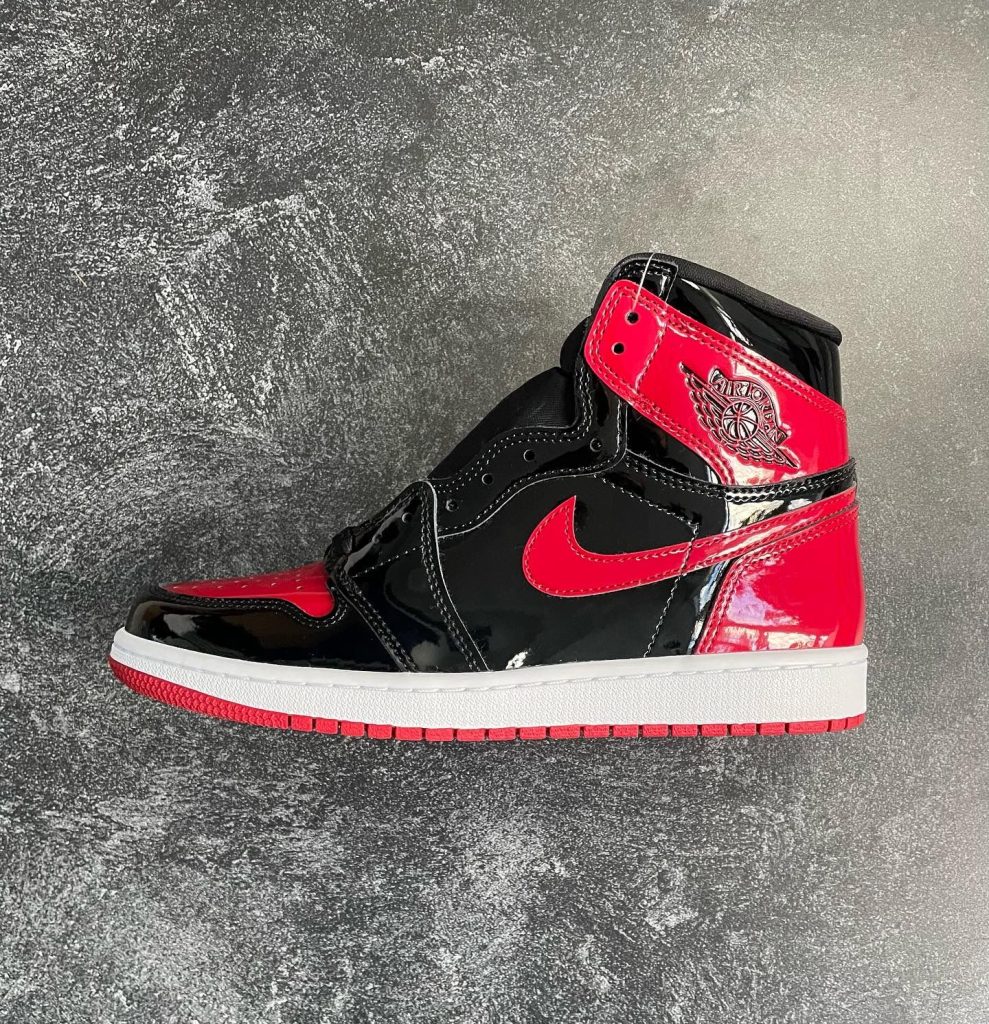
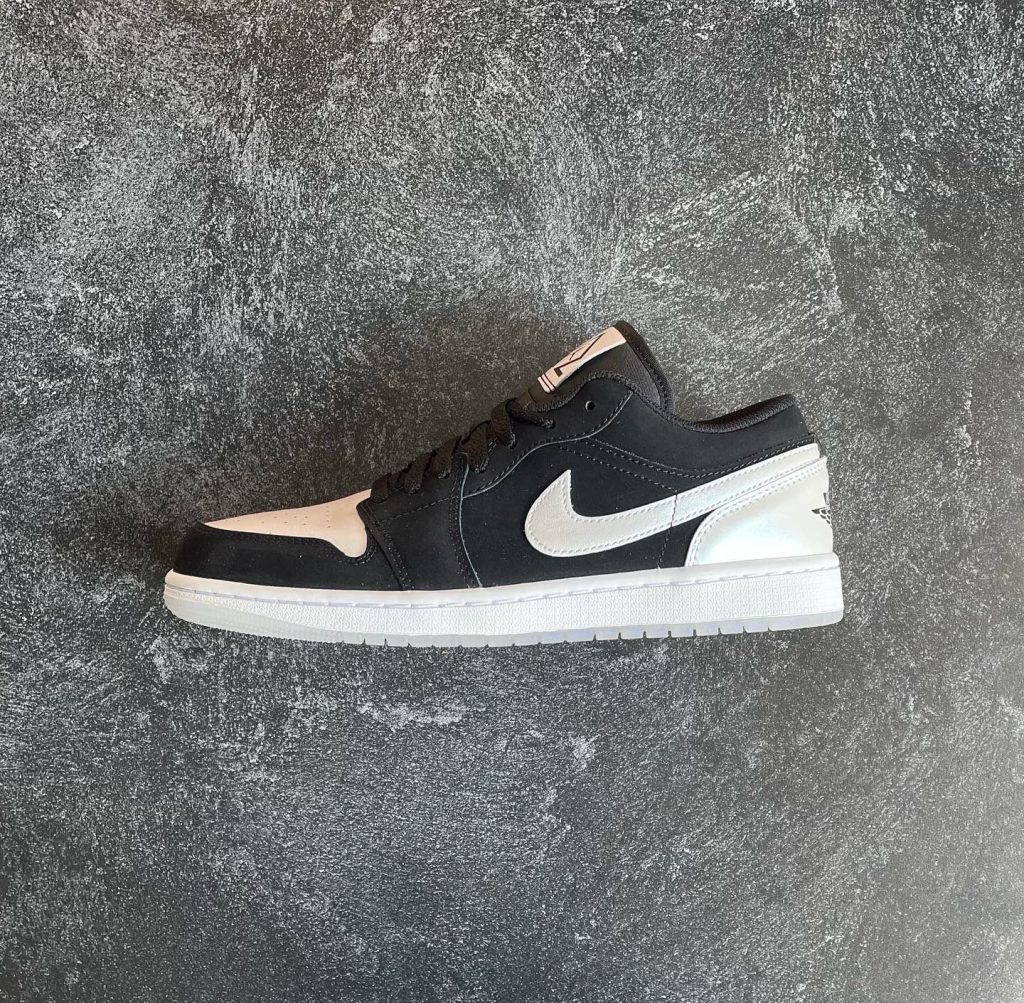
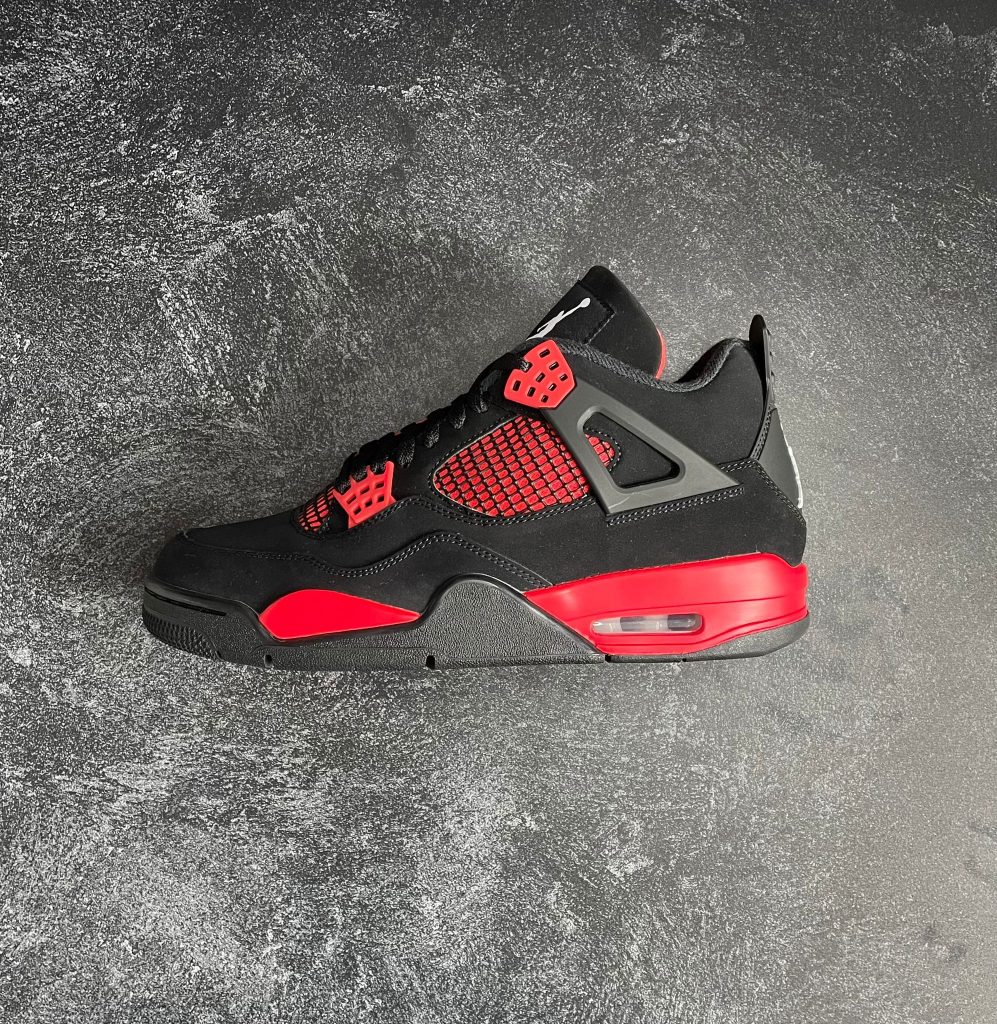


Michael Jordan and the Chicago 1
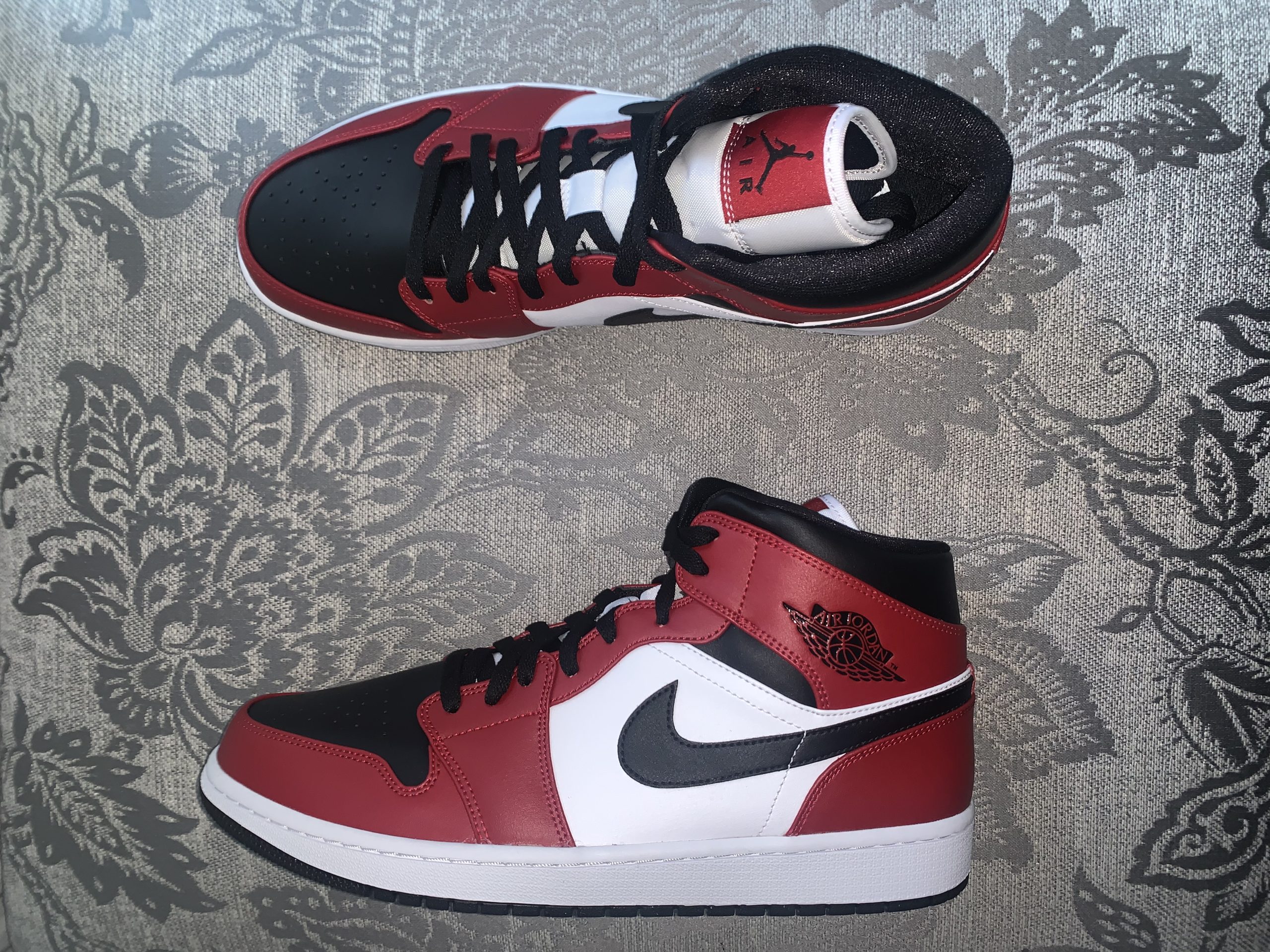
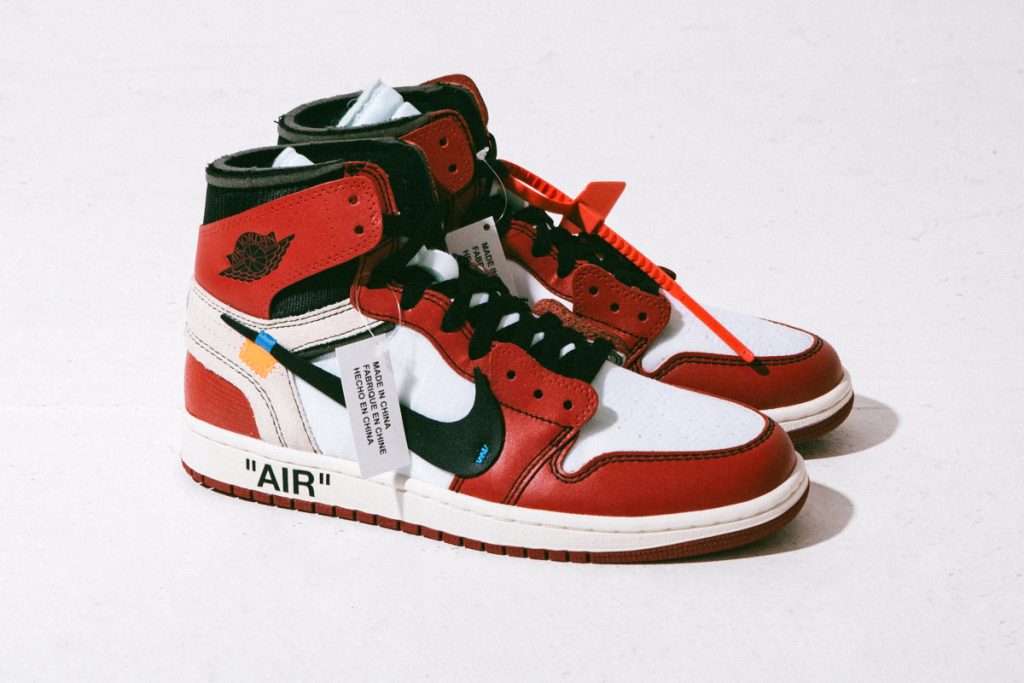
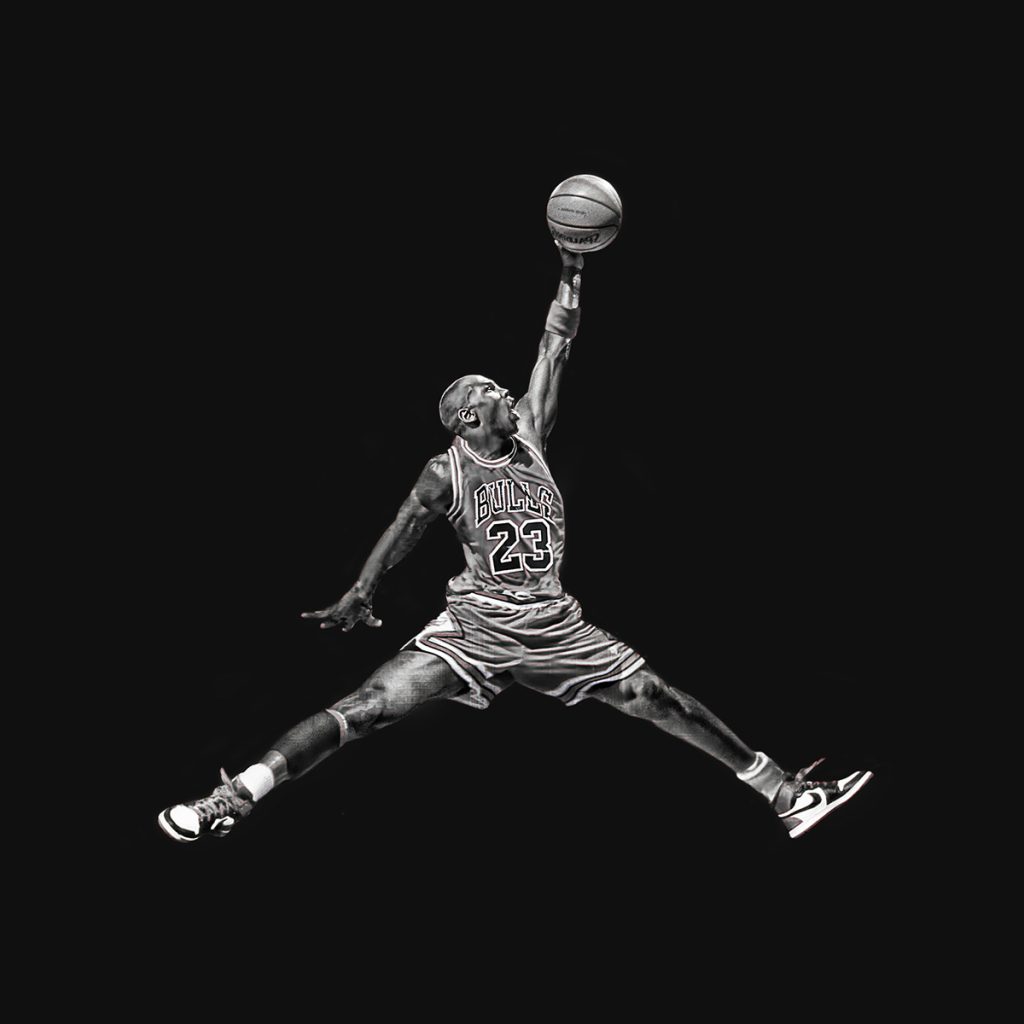
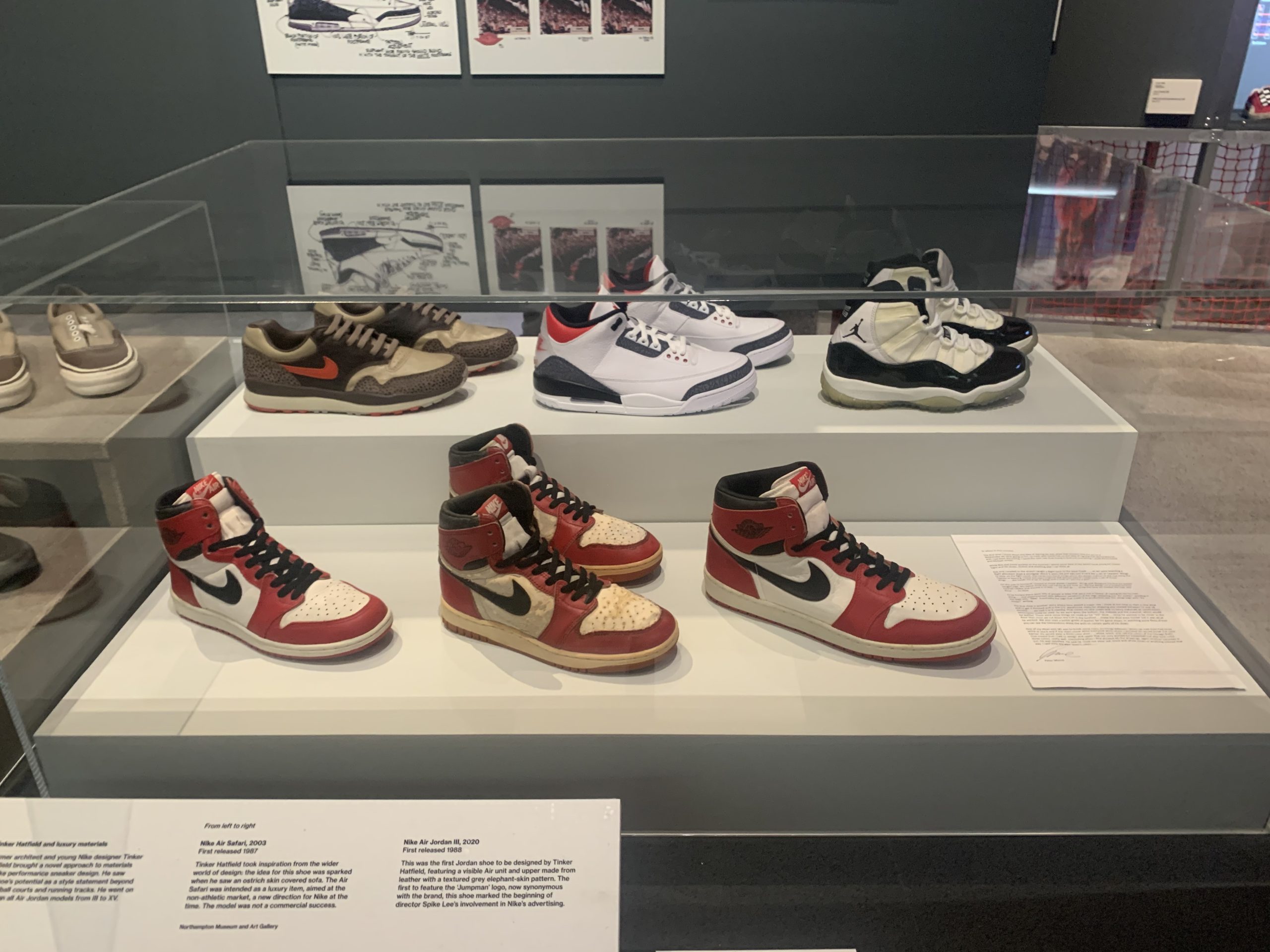
In 1984, Nike signed a rookie basketball player named Michael Jordan to what would become one of the most influential partnerships in sporting history. The following year, the Air Jordan 1 was released introducing a bold red, white, and black colourway that would later become known simply as “Chicago”.

At a time when basketball footwear was predominantly white, the Chicago 1 disrupted expectations. Its strong colour blocking aligned with the Chicago Bulls’ identity and symbolised a new era of athlete driven branding.
The Air Jordan 1 Chicago transcended performance. It became a cultural artefact reissued and reinterpreted across decades. From hardwood courts to streetwear movements, its influence extends far beyond 1985.
Today, the Chicago 1 remains one of the most important silhouettes in Nike’s archive, representing the moment sport, storytelling, and product design converged into modern sneaker culture.